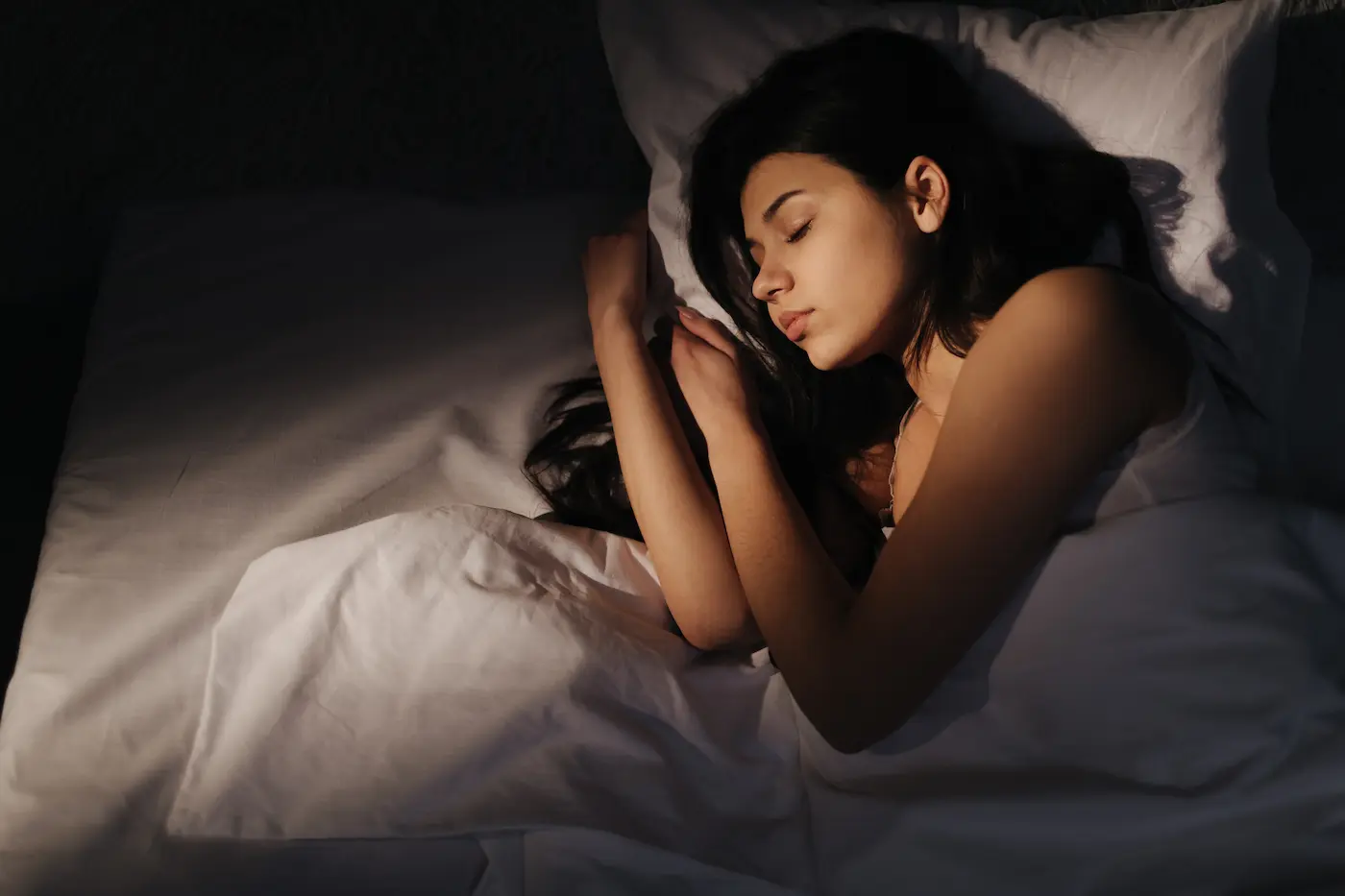
Sleep Apnea Treatment in Highlands Ranch, CO
What Is Dental Sleep Apnea Treatment?
Sleep apnea is a condition where breathing repeatedly stops and starts during sleep. The most common type — obstructive sleep apnea — happens when the muscles and soft tissues at the back of the throat relax and partially block the airway. The result is disrupted sleep, reduced oxygen levels, and often loud snoring that affects everyone in the household.
Most people think of a CPAP machine when they hear "sleep apnea treatment." What many don't realize is that dentists play a meaningful role in managing this condition — particularly for mild to moderate cases — through custom-fitted oral appliances.
How Oral Appliances Work for Sleep Apnea
A dental sleep apnea device is a custom-made appliance that fits over your teeth, similar to a mouthguard. It works by gently shifting the lower jaw forward, which helps keep the airway open while you sleep. The result is less airway obstruction, quieter breathing, and more restful sleep — without the noise or mask of a CPAP.
Oral appliances are compact, easy to travel with, and comfortable enough that most patients actually wear them consistently — which matters a great deal for any treatment to be effective.
Snore Guards — When Snoring Is the Main Concern
Not everyone who snores has sleep apnea, but snoring is often the first sign worth taking seriously. For patients whose primary concern is snoring — without a confirmed sleep apnea diagnosis — a snore guard may be an appropriate starting point. Like an oral appliance, a snore guard repositions the jaw to reduce airway vibration during sleep.
If you're unsure whether you have sleep apnea or simply snore, our team can help you figure out the right next step. We'll ask the right questions and, if needed, help coordinate with your physician before recommending a device.
Benefits of Treating Sleep Apnea With a Dentist
Treating sleep apnea isn't just about sleeping better — though that alone makes a meaningful difference in daily life. It's also about reducing the long-term health risks that come with leaving the condition unaddressed. Patients who manage their sleep apnea often report more energy, better focus, improved mood, and a noticeable reduction in morning headaches.
Working with a dentist for sleep apnea treatment also means a more accessible path to care. You don't need a referral to start the conversation, appointments fit into a regular dental schedule, and the treatment itself is far less intrusive than many patients expect.
Why Patients in Highlands Ranch Choose an Oral Appliance Over CPAP
CPAP therapy is highly effective, but it isn't always tolerable. Many patients struggle with the mask, the noise, or the inconvenience — and end up not using it at all. For those with mild to moderate obstructive sleep apnea, or for patients who simply can't tolerate CPAP, an oral appliance is often a practical and comfortable alternative.
It's a quiet, portable solution that travels easily and requires no power source. And because it's custom-fitted to your mouth, it's designed to stay in place comfortably through the night.
Oral Appliance vs. Other Sleep Apnea Solutions
How Sleep Apnea Devices Differ From Mouth Guards & Occlusal Guards
It's easy to confuse dental appliances — they can look similar from the outside. But a sleep apnea oral appliance, a snore guard, and a standard mouth guard each serve a different purpose.
Mouth guards and occlusal guards are designed to protect teeth from grinding (bruxism) or absorb impact during sports. They sit over the teeth but do not reposition the jaw in any meaningful way.
A sleep apnea oral appliance, by contrast, is specifically designed to advance the lower jaw and hold the airway open during sleep. It is a prescribed medical device, not a protective guard. If you've been using a generic store-bought mouthguard to manage snoring, it's worth asking whether a properly fitted appliance might serve you better.
What to Expect at Mountain West Family Dentistry
Your First Sleep Apnea Consultation
Your first visit is a conversation, not a commitment. We'll talk through your symptoms — how long you've been snoring, whether you wake up tired, whether a bed partner has noticed pauses in your breathing — and review any sleep study results you may already have. If you haven't had a sleep study, we'll help you understand whether that's a useful next step before we move forward.
There's no pressure and no upsell. Our goal is to make sure you leave with a clear picture of your options and what treatment would actually involve.
Fitting Your Custom Oral Appliance
If an oral appliance is the right fit, we'll take precise digital impressions of your teeth to create a device that's made specifically for your mouth. Once it's ready, we'll walk you through how to wear it, how to care for it, and what to expect in the first few weeks. Follow-up visits help us confirm the fit is comfortable and the appliance is doing its job.
For patients who are also interested in how airway health connects to children's development, our Healthy Start & Children's Airway program addresses similar concerns in younger patients.
Frequently Asked Questions About Sleep Apnea Treatment in Highlands Ranch
New Patients
Do I need a sleep study before getting an oral appliance?
In most cases, yes. A formal sleep apnea diagnosis — typically confirmed through a sleep study ordered by your physician — is required before a dental oral appliance can be prescribed. We work closely with your medical provider and can help coordinate next steps if you don't yet have a diagnosis.
What happens if sleep apnea goes untreated?
Untreated sleep apnea is associated with a range of health concerns, including increased risk of high blood pressure, heart disease, and daytime fatigue that affects work and daily life. Addressing it — even with a simple oral appliance — may significantly improve your sleep quality and overall wellbeing.
Is a snore guard the same as a sleep apnea device?
They are similar in design but not identical in purpose. A snore guard is intended to reduce snoring by repositioning the jaw, while a sleep apnea oral appliance is a clinically prescribed device designed to keep the airway open during sleep. If you snore but haven't been tested for sleep apnea, we can help you determine which option is right for you.