Why Professional Dental Cleanings Matter More Than You Think
If you brush twice a day, floss regularly, and still wonder why you need to come in for a cleaning every six months — you're asking a fair question. The honest answer is that even the most dedicated home routine has real limits, and understanding those limits can change how you think about your dental health. At Mountain West Family Dentistry in Highlands Ranch, Dr. Rahul Patel take the time to explain exactly what's happening in your mouth and why each step of your care matters — no pressure, no mystery. Whether you're a twice-a-year regular or you've been putting off a visit for a while, early-morning appointments are available Wednesday through Friday starting at 7:00 AM, making it easier to fit care into a busy schedule. The importance of professional dental cleanings isn't about doubting your habits at home — it's about what only a trained hygienist and the right tools can do.
What Happens During a Professional Dental Cleaning
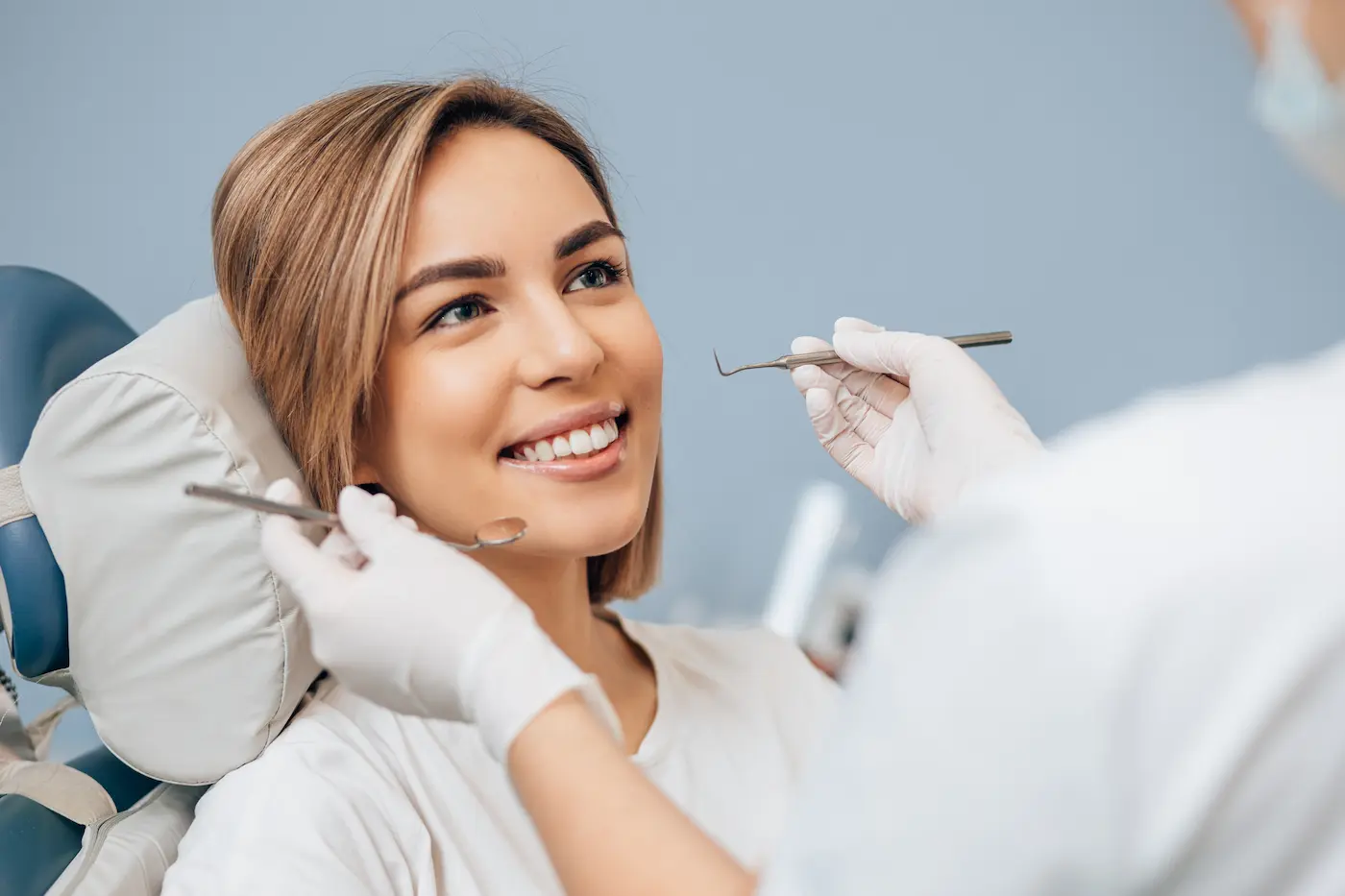
A professional dental cleaning is more than a polish. When you come in for your appointment, your hygienist will begin by carefully examining your teeth and gums, often using a small mirror and probe to check for any signs of concern. From there, the cleaning itself involves a few distinct steps.
Scaling removes hardened tartar — also called calculus — from the surfaces of your teeth and along the gumline. This is the step that no amount of brushing at home can replicate, because tartar is mineralized plaque that has bonded to the tooth surface and can only be removed with professional instruments.
Polishing follows scaling. Your hygienist uses a mildly abrasive paste and a rotating tool to clean and smooth the tooth surfaces, removing surface stains and leaving teeth feeling noticeably cleaner.
Flossing during your appointment isn't redundant — your hygienist can reach between teeth more thoroughly and check for any bleeding or tenderness that might signal early gum concerns.
Finally, your appointment typically includes a comprehensive exam with one of our doctors, who will review your X-rays, check your bite, screen for oral cancer, and discuss anything that came up during the cleaning. You'll leave knowing exactly where things stand and what, if anything, needs attention. Learn more about what to expect on our Cleanings & Exams service page.
What Brushing and Flossing Can't Do on Their Own
Home care is essential — there's no substitute for brushing and flossing consistently. But it was never designed to replace professional care. Here's why.
The Problem With Tartar Buildup at Home
Plaque is the soft, sticky film that forms on teeth throughout the day. When you brush and floss, you're removing plaque before it has a chance to harden. But plaque that isn't fully removed — in tight spaces, along the gumline, or on back molars that are harder to reach — begins to mineralize within 24 to 72 hours. Once it hardens into tartar, no toothbrush or floss thread can remove it.
Tartar doesn't just sit there harmlessly. It creates a rough surface that makes it even easier for more plaque to accumulate, and it irritates the surrounding gum tissue. Over time, this irritation is one of the primary drivers of gum disease — a condition that, if left untreated, can lead to bone loss and tooth loss.
What Gets Missed Between Appointments
Even with excellent technique, most people have areas that are consistently harder to clean — the backs of lower front teeth, the spaces between tightly spaced molars, and the gumline on the inside surfaces of back teeth are common trouble spots. Your hygienist knows where plaque tends to hide and can target those areas directly.
Between appointments, small changes can also go unnoticed. A tiny cavity in its earliest stage, slight gum recession, or the beginning of a crack in a tooth may not cause any symptoms at first. Regular professional cleanings create a consistent opportunity to catch these issues early, when treatment is typically simpler and less costly.
Professional Dental Cleaning Benefits for Your Long-Term Health
The importance of professional dental cleanings extends well beyond a clean, fresh feeling after your appointment. Research continues to show meaningful connections between oral health and overall health, including links between gum disease and conditions such as heart disease, diabetes, and respiratory illness. Keeping your mouth healthy is part of keeping your body healthy.
From a purely dental standpoint, the professional dental cleaning benefits include:
- Preventing cavities by removing the plaque and tartar that lead to decay
- Protecting your gums from the irritation and infection that causes gum disease
- Preserving your teeth over a lifetime by catching problems before they escalate
- Maintaining fresh breath by eliminating the bacteria that contribute to persistent odor
- Saving money over time by avoiding more complex and costly restorative treatment
How Cleanings Connect to Gum Disease Prevention
Gum disease — also called periodontal disease — is one of the most common dental conditions in adults, and one of the most preventable. It begins as gingivitis, a mild inflammation of the gums caused by plaque and tartar buildup. At this stage, it's largely reversible with professional cleaning and improved home care.
Left untreated, gingivitis can progress to periodontitis, a more serious infection that damages the bone and connective tissue supporting your teeth. This stage requires more intensive treatment and can result in tooth loss if not managed. Regular cleanings are one of the most effective tools for keeping gum disease from ever reaching that point. If you're noticing any warning signs — bleeding gums, persistent bad breath, or gum recession — our post on Gum Disease Warning Signs and How to Stop It is a helpful next read.
How Often Should You Get a Professional Cleaning?
For most adults and children, a cleaning every six months is the standard recommendation — and it's the right starting point for the majority of patients. However, your ideal frequency depends on your individual oral health.
Patients with a history of gum disease, a tendency to build up tartar quickly, certain medical conditions, or who smoke may benefit from cleanings every three to four months. On the other hand, patients with consistently healthy gums and minimal buildup may be fine on a twice-yearly schedule.
The best way to know what's right for you is to ask at your next appointment. Dr. Patel or Dr. Chatterley will review your exam findings and give you a straightforward recommendation based on what they actually see — not a generic protocol.
Frequently Asked Questions
New Patients
Is a professional dental cleaning painful?
For most patients, a professional dental cleaning is comfortable and causes little to no discomfort. Some sensitivity is normal, especially around the gumline, but our team works at your pace and will always let you know what to expect before we begin. If you have concerns about sensitivity, just mention it — we have options to help make the experience easier.
What if I haven't been to the dentist in years — is it too late to start?
It is never too late to start taking care of your smile. We see patients who haven't had a cleaning in years, and we approach every visit without judgment. There's no lecture, no guilt — just a straightforward look at where things stand and a plan to help you move forward. The most important step is simply getting back in the chair, and we'll meet you exactly where you are.
Are professional cleanings covered by dental insurance?
Many dental insurance plans cover preventive cleanings, often at little or no cost to you. Mountain West Family Dentistry works with several insurance carriers, including Ameritas, Cigna, Delta Dental Premier, and Humana. We recommend visiting our Insurance & Financing page or calling our office to confirm your specific coverage before your appointment.
How is a professional cleaning different from what I do at home?
Brushing and flossing at home removes soft plaque from tooth surfaces, but only a dental professional can remove hardened tartar that builds up over time. A professional cleaning also reaches areas your toothbrush cannot, includes a thorough exam, and allows your hygienist to catch early signs of problems before they become bigger issues. Think of home care and professional cleanings as two parts of the same system — each one does what the other can't.